

Article
How to Control Coal Mine Dust With Innovative Technology
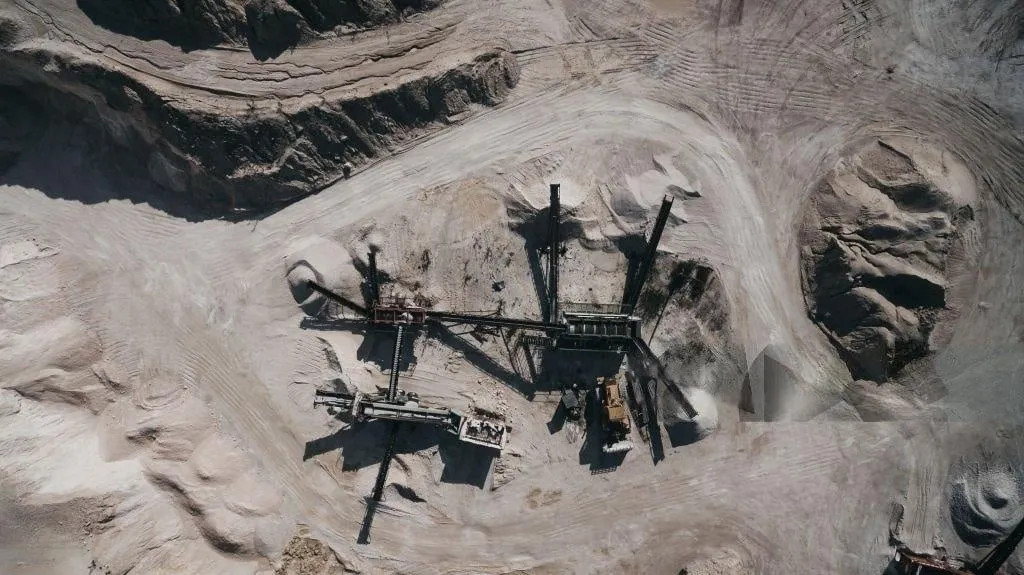
Coal mining is one of the main economic drivers in many countries, including Indonesia. However, behind its important role, there is one problem that always affects mine workers and the surrounding communities: dust. Dust flying in coal mining areas is not a small problem that can be ignored. It can pose a serious threat to health and safety, and it also has a negative impact on the surrounding environment.
Every day mine workers have to deal with clouds of dust whenever there is coal excavation, transportation or processing. Also, the people who live around the mining area have to breathe air polluted by these fine particles. Therefore respiratory problems and lung diseases are a real concern for those involved in this industry.
However, technological advances have brought a breath of fresh air (literally) to the effort to control dust in coal mining. Scientists and engineers have been working on new methods to control this dust. From water spraying systems to the use of environmentally friendly chemicals, there are many ways now available to tackle the dust problem.
In this article, we will look at the technologies used to control dust in the coal mining industry. We will discuss the basic principles of dust control, look at some examples of technologies already used in the field, and review the challenges and opportunities that still lie ahead. Our journey will be filled with information and new insights into the world of mining that you may not have heard before.
Dust control is a technical issue. It also needs commitment from everyone in the coal mining industry. The mining company, the government and the surrounding communities must all work together to create a safer and healthier working environment. Let’s start with the dust control technology used in coal mining.
Understanding Dust Challenges in Coal Mining
source: https://www.istockphoto.com/
Coal mining dust is a problem. Every mining activity, whether it is digging, blasting or just transporting coal, puts dust into the air. This dust does more than make your clothes dirty or make you sneeze.
Coal dust is actually quite dangerous.
Coal dust consists of very small particles. Some are only a few microns in size (one micron is only one thousandth of a millimeter). Because the particles are so small, coal dust can easily enter the respiratory system. If it enters the lungs, it can cause serious problems such as black lung disease or pneumoconiosis. There is also a risk of dust explosion if the concentration in the air is too high.
Coal dust also causes problems in mining operations. Mining machines wear out quickly when dust enters here and there. Dust in the air also lowers visibility, which can cause work accidents. Dust that spreads to the surrounding environment can also make people protest because they feel disturbed.
The problem is clear, so we need a good way to control this dust. This is where technology matters. Experts and engineers have worked hard to find better ways to control the dust.
One approach has been used for a long time. It is to find a way to control the dust.
One approach that has been used for a long time is water spraying. It sounds simple. However, there are many innovations in this water spraying technique. For example, some systems adjust the size of the water droplets so they are just right for picking up dust particles. Others use a mixture of water and special chemicals to make dust easier to control.
There are also newer technologies like fog cannon systems. A fog cannon is like a giant cannon that sprays water mist over a large area. With high pressure, this water mist reaches a large area and picks up dust particles in the air well.
There are also newer technologies like fog cannon systems.
There is also a technology called dust suppression polymer. This is a chemical that can be sprayed onto the ground or coal piles to create a layer that keeps dust from flying. Therefore, even if there is a strong wind, the dust still does not go anywhere.
Also, do not forget ventilation and air filtration technology. In coal processing facilities, this system can capture dust before it spreads into the air. Some use bag filters, cyclone separators and electrostatic precipitators that can capture even the smallest dust particles.
The air filtration technology in the coal processing plant is very sophisticated.
Robots and drones are now also used for dust monitoring and control. A drone can fly over a mine, measure the concentration of dust in the air and send real-time data to the control center.
With these technologies, the coal mining industry can be safer and more environmentally friendly. However, technology is not enough. All parties need to commit to implement and maintain this technology so that it works well.
A reliable partner for water and waste treatment is important for mining companies. Many dust control technologies need a steady supply of clean water. This is where companies like PT Beta Pramesti play a role.
PT Beta Pramesti has decades of experience in water and wastewater treatment. They sell products, and they also help with engineering and construction. So if you have a problem or need a specific fix, they can help from upstream to downstream. They also have a large team and can build their own system, so anything can be handled quickly. This matters for the mining industry, which needs a reliable system and fast support.
PT Beta Pramesti also has products that support dust control technology. For example, they have a reverse osmosis system that treats water to be very clean, which suits dust spraying systems. If you need special treatment for the water used in dust control systems, they also have coagulants and flocculants that help with the water treatment process.
Now we understand why coal mining dust is such a big problem, and how technology can help solve it. Our journey is not over yet. There are still many interesting things we will discuss in the next section. Let’s move on to a more detailed discussion of the technologies we mentioned earlier.
Innovative Technologies for Dust Control
 Source: Pexels.com
Okay, now we’re going to talk in more detail about the cool technologies used to control dust in coal mining. Get ready, it’s going to be a lot of fun!
Water spraying system
First, we start with the upgraded water spraying system. This is not just watering a car with water. There is now a system called the “dust suppression misting system”. This system sprays very fine water, like a mist. This water mist captures dust particles in the air more effectively.
Foam Dust Suppression
There is also a technology called “foam dust suppression”. Foam is sprayed onto dusty areas. It sticks to the surface and forms a layer that keeps dust from flying around. The foam lasts a long time and does not dry out easily, so the effect lasts longer.
Electrostatic Dust Suppression System
Now we come to a newer technology. It is called an electrostatic dust suppression system. It uses electric charge to capture dust particles. The dust particles are given an electric charge. Then a collecting plate with the opposite charge pulls them in.
Dust Collection System
Do not forget the “dust collection system” technology used in coal processing facilities. It works like a large vacuum cleaner that sucks dust from the air. Some use bag filters, cyclone separators and wet scrubbers that can capture even the smallest dust particles.
Road Dust Stabilization
There is also a technology called “road dust stabilization”. It is used to control dust on mining roads. The road is sprayed with special chemicals that make the road surface denser and less likely to release dust. Therefore, even if a large truck passes by, the dust does not fly away.
Using Drones
Now we come to more futuristic technology. Drones are already used to monitor dust in mining areas. These drones fly over the mining area, measure the dust concentration in the air, and send real-time data to the control center.
Automated Dust Suppression System
There is also the “automated dust suppression system” technology. This system turns itself on automatically when the dust concentration in the air goes above the safe limit. Therefore no operator is needed to activate the dust control system.
Dust Forecasting
Do not forget about “dust forecasting” technology. It works like a weather forecast, but for dust. Using weather data and mine conditions, this system can predict when and where dust concentrations will be high. Therefore mining teams can anticipate and take precautions before dust problems arise.
You may think all these technologies are expensive. Yes, the investment is big. However, compare it with the cost of worker health problems or environmental fines. Then these technologies can save you money in the long run.
However, these technologies can save you money in the long run.
But remember, the technology will not work well without adequate infrastructure. This is where companies like PT Beta Pramesti play an important role. They can help provide the water treatment system that this dust control technology needs.
For example, the water treatment system that dust control technology needs.
For example, a water spraying system or fog cannon needs a clean and consistent water supply. PT Beta Pramesti has an ultrafiltration system that can treat water to be very clean. This is good for applications like this. If you need even higher quality water, they also have a reverse osmosis system.
PT Beta Pramesti also has supporting products for the dust control system, such as dust control chemicals. These help the sprayed water capture dust particles better.
With these technologies, plus support from experienced companies like PT Beta Pramesti, the coal mining industry can become safer and more environmentally friendly. However, technology is not enough. All parties need to commit to implement and maintain this technology so that it is truly effective.
Do you understand more about the technologies used to control dust in coal mining? However, our journey is not over yet. There are still important things we need to discuss in the next section. Let’s move on.
Implementation and Challenges
We now know a lot about technology to control dust in coal mining. However, theory and practice are very different. Let’s discuss how to implement these technologies in the field, plus the challenges that must be faced.
First, how these technologies work in the field, and the challenges that must be faced.
Dust control technology cannot be applied carelessly. It needs careful planning and an in-depth study of the mine conditions. Every mine is different. Some are in dry areas, some in humid areas. Some are near settlements, others are remote. All these factors affect the choice of the right technology.
This technology also needs a large investment. The equipment is only part of it. You also pay for installation, operator training and routine maintenance. You may also need to upgrade supporting infrastructure such as water treatment systems or electricity networks. The budget adds up quickly.
However, many mining companies have proven that this investment is worth it in the long run. By controlling dust well, companies can reduce worker health risks, increase productivity and avoid environmental fines. So even if you spend a lot of money at the start, you save money in the end.
Now we come to the challenges in implementing this dust control technology. First, there are the technical issues. For example, how do you make sure the water spraying system stays effective in the dry season? Or how do you maintain these tools in extreme mining environments?
There are also challenges in human resources. Any technology will be useless if the operators do not understand how to use it. Therefore training and education for employees is very important. But this is also not easy, because sometimes employees who are used to the old way resist the change.
There are also challenges from the regulatory side. In many countries, including Indonesia, regulations on dust control in mining are very strict. Mining companies must make sure the technology they use meets the standards set by the government. This can be a lot of work, especially if the rules change frequently.
These challenges also bring opportunities. For example, mining companies that use good dust control technology can improve their image as a company that cares about the environment. Investors and the public see this as a plus.
The use of this technology can also open the door to innovation and new technology. There may be tech startups that focus on dust control.
In the middle of these challenges and opportunities, the role of supporting companies like PT Beta Pramesti becomes more important. They provide products and services, and they can also be a partner that helps mining companies deal with these challenges.
For example, PT Beta Pramesti can help mining companies deal with these challenges.
For example, PT Beta Pramesti can help with clean water availability, which is usually an obstacle when a mine installs a dust control system. With their water treatment technologies, such as ultrafiltration systems or reverse osmosis, mining companies can have a reliable source of clean water for their dust spraying systems.
PT Beta Pramesti can help to solve these challenges.
PT Beta Pramesti also has a team of experts who can give technical consultation and support. This is important, because it helps mining companies choose the right technology and use it well. The team has decades of experience in water and wastewater treatment, so they know the problems in the field.
PT Beta Pramesti also offers operation and maintenance services. This can help mining companies that do not have enough people to maintain their dust control systems.
Do you now understand the challenges and opportunities in implementing dust control technology in coal mining? Remember, even though there are many challenges, don’t give up. Dust control is a technical and business issue, and it also involves the health and safety of many people.
We have now seen how to put dust control technology into practice in coal mining.
We have discussed many things, from the technology to the implementation challenges. However, one important part is still open. Let’s move on to the last part.
Conclusion
We have reached the end of this article. We have talked a lot about dust control technologies in the coal mining industry. From dust problems that make you dizzy, to the technology that can fix them. Before we wrap up, let’s summarize the key points again.
First, we understand that dust in coal mining is not a trivial problem. It can be a serious threat to workers’ health and the environment, and it can even disrupt mining operations. Therefore dust control is very important.
We have also seen how technology is evolving quickly to solve this problem. From upgraded water spraying systems, to the use of drones for dust monitoring. This shows that the mining industry can also be environmentally friendly and care about workers’ health.
However, we must not forget that implementing this technology is not easy. There are many challenges to face, from technical problems, human resources, to regulations. This is exactly where the opportunities for innovation and continuous improvement lie.
In the middle of all this, the role of supporting companies like PT Beta Pramesti becomes even more important. They provide products and services. They can also be a partner that helps mining companies deal with these challenges. From providing water treatment systems to support dust control technologies, to providing technical consultation and support.
Dust control in coal mining is not the responsibility of one party. It needs cooperation from all parties, from mining companies, governments, to communities. With the right technology, strong commitment, and support from experienced partners, the coal mining industry can be safer, healthier, and environmentally friendly.
So, what do you think? Do you understand why dust control in coal mining matters? We hope this article gives you new insight and makes us all care more about this issue. Even if we do not work in a mine, this dust problem can still affect all of us.
If you are curious and want to know more about water treatment technology that can support dust control systems, you can check PT Beta Pramesti’s website at beta.co.id. There is a lot of information about their products and services that can help the mining industry.
That is all for now. We hope this article was useful. If we all care and take part, we can make the coal mining industry better and more environmentally friendly. See you in the next article.
Interesting Questions and Answers
- Question: Can dust control technology in coal mining be applied in other industries?
Answer: Yes, they can. Many dust control technologies developed for coal mining can also be applied in other industries such as construction, cement processing, or even agriculture. For example, water spraying systems or fog cannons can be used in large construction projects to reduce dust on building sites. Road dust stabilization technology can also be applied to roads in industrial or plantation areas to reduce dust. These basic principles of dust control can be adapted to many situations and industries that have similar dust problems.
-
Question: How to measure the effectiveness of dust control systems in coal mining?
-
Question: Are there any “green” or environmentally friendly alternatives to the chemicals used in dust control?
Answer: Yes. Some environmentally friendly alternatives are being developed and are starting to be used in dust control. For example, enzyme or bacteria-based products can help stabilize the soil surface and reduce dust. Natural materials such as lignin (a by-product of the paper industry) can also be used as dust binders on mine roads. Some companies are also developing plant-based products that act as dust suppressants. These “green” alternatives may not be as effective as conventional chemicals in all situations. However, their development is promising and they could be a more environmentally friendly solution in the future.
References
-
Smith, J. (2022). “New Dust Control Technologies in Mining”. Journal of Mining Engineering, 45(3), 78-92.
-
Environmental Protection Agency. (2021). “Best Practices for Dust Control in Coal Mining Operations”. EPA Technical Report, 112-156.
-
Wong, L. et al. (2023). “Comparative Study of Dust Suppression Methods in Open-pit Mines”. International Journal of Environmental Science and Technology, 18(