

Biological digestion
Industrial Anaerobic Wastewater System
Updated
Industrial anaerobic wastewater systems are selected from organic load, biodegradability, flow, temperature, toxicity, effluent, gas, sludge, and operation.
Discuss the application.
Send the application, operating conditions and the result you expect. Our team will discuss the options with you.
An anaerobic wastewater system breaks down organic matter without adding oxygen to the reactor. It is worth evaluating for concentrated, biodegradable streams. It normally needs downstream treatment to meet the final effluent target. PT Beta Pramesti Asia, through beta.co.id, reviews loading, biodegradability, temperature, toxicity, alkalinity, gas, sludge and polishing needs before designing an industrial system in Indonesia.
When should an anaerobic system be selected?
Anaerobic treatment is not an automatic choice just because COD is high. The organic load must be biodegradable enough and the process conditions must support the biomass. Check pH swings, toxic compounds, solids, oil and grease, salinity, temperature and startup requirements with representative data and, where needed, treatability testing.
| Influent or project condition | Selection implication | Evidence required |
|---|---|---|
| High, relatively consistent soluble organic load | Anaerobic treatment can be evaluated as an initial load-reduction stage | Flow, total/soluble COD, BOD, biodegradability, and production pattern |
| Highly variable load or frequent shutdowns | Equalisation, feeding strategy, and buffer capacity become important | Hourly/daily flow and load profiles plus the production calendar |
| High solids, FOG, or inhibitory chemicals | Upstream pretreatment or separation may be required | TSS, oil and grease, pH, salinity, temperature, and process-chemical list |
| Tight effluent or reuse target | Plan aerobic polishing and final units from the start | Parameter-specific targets, effluent variation, and filtration/disinfection needs |
What belongs in an anaerobic-system design?
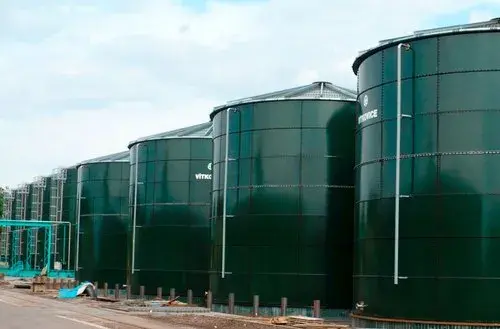
The design should connect the reactor with equalisation, pretreatment, pH control, flow distribution, solids separation, gas handling, safety and polishing. This page covers the Betaqua Anaerobic Filter Reactor with honeycomb media. The final configuration still depends on the wastewater and the project design basis.
- Characterise the influent. Pair samples with flow and production data so you can calculate daily and peak loads.
- Test biodegradability and inhibition. Determine whether the organic matter can be treated and whether process chemicals inhibit the biomass.
- Define pretreatment. Control solids, FOG, pH shifts and shock loads before the reactor.
- Set operating controls. Define sampling, feeding, pH/alkalinity, temperature, sludge, gas and alarm responses.
- Design the final stage. Connect anaerobic effluent to aerobic treatment, clarification, filtration or another unit according to the target.
Which operating parameters should be reviewed?
Operators should assess influent, reactor condition and effluent as one trend. The minimum review covers flow and organic load, pH, alkalinity, temperature, solids, oil and grease, production changes, gas formation, sludge and effluent quality.
| Symptom | First checks | Initial response |
|---|---|---|
| pH or alkalinity falls | Incoming load, acidic chemicals, equalisation, feeding, and process tests | Hold load increases and confirm the cause before chemical correction |
| Effluent COD rises | Load, biodegradability, toxicity, short-circuiting, and biomass | Stabilise the influent and audit distribution and reactor condition |
| Solids carryover increases | Separator, peak flow, sludge, and media condition | Reduce hydraulic disturbance and inspect solids retention |
| Odour or gas is uncontrolled | Covers, ventilation, gas route, pressure, and site safety procedure | Secure the area and follow the facility’s safety response |
Anaerobic wastewater system frequently asked questions
Can anaerobic treatment meet the discharge limit by itself?
Not always. Anaerobic treatment is usually used to reduce organic loading. Aerobic polishing or another final unit is chosen from the effluent target. The design basis should cover the complete treatment train.
Is every high-COD wastewater suitable for anaerobic treatment?
No. COD may include compounds that are poorly biodegradable or inhibitory. Check composition, biodegradability, production variation, temperature, pH, salinity and toxicity before selecting the process.
Which data should be sent for an evaluation?
Prepare minimum/average/peak flow, COD/BOD, TSS, FOG, pH, alkalinity, temperature, salinity, process chemicals, production pattern, effluent target, land and utilities. Send them through the Beta Pramesti contact page so we can define the sampling and treatability needs.